Most Common Reasons for Lower Back Pain
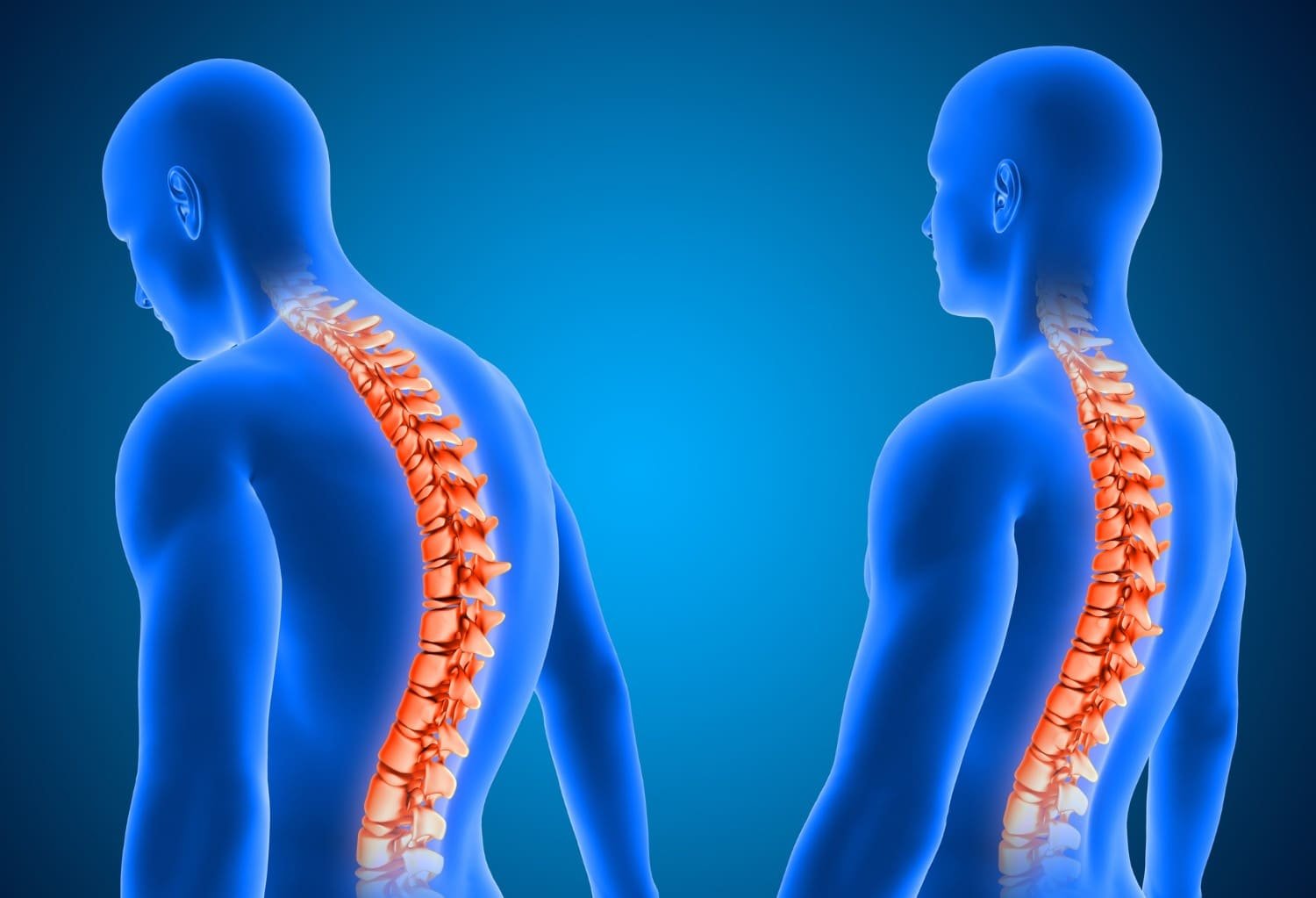
Most Common Reasons for Lower Back Pain
Explore the top triggers of lower back pain—from muscle strains and herniated discs to spinal degeneration, posture issues, and lifestyle factors—so you can identify the root cause and seek effective relief.
-
Introduction
-
Define lower back pain and its prevalence
-
Importance of understanding underlying causes epionepainandspine.com
-
-
Key Causes
-
Muscle strains and ligament sprains from overuse or sudden movement
-
Herniated or bulging discs compressing nerves
-
Degenerative disc disease and spondylosis (wear and tear)
-
Spinal curvatures like scoliosis
-
Spondylolisthesis and spinal instability
-
Spinal stenosis (narrowing of spinal canal)
-
Osteoarthritis and joint degeneration
-
Poor posture and muscular imbalances
-
Obesity and excess weight
-
Smoking-related disc degeneration and reduced blood flow epionepainandspine.com
-
-
How Each Cause Manifests
-
Specific symptoms and how they differ (e.g., radiating pain vs. stiffness)
-
Which groups are most at risk
-
-
Diagnosis and Assessment
-
How specialists identify causes—clinical exams and imaging
-
Role of multidisciplinary evaluation at Epione
-
-
Treatment Approaches
-
Non-surgical interventions (e.g., physiotherapy, injections)
-
Regenerative therapies and pain relief methods offered at Epione epionepainclinic.comepionepainandspine.com
-
-
Prevention Strategies
-
Posture correction
-
Weight management
-
Ergonomic tips for sitting/standing
-
Lifestyle modifications
-
-
When to Consult a Specialist
-
Warning signs of serious symptoms (e.g., neurological deficits, sudden pain)
-
Encouragement to seek expert evaluation
-
-
Conclusion
-
Encouraging proactive pain management
-
Invitation to visit Epione for expert diagnosis and tailored care
-
