Hip Pain
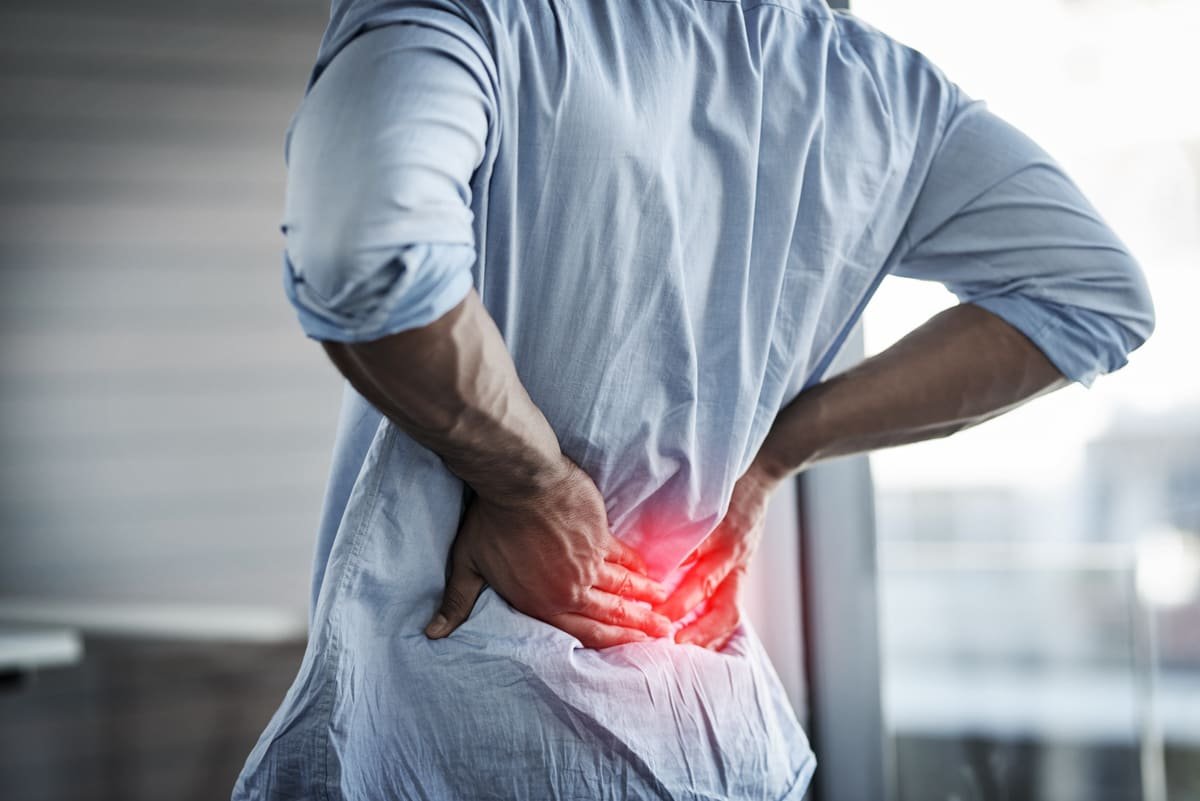
Hip Pain
Introduction to Hip Pain
The hip joint is one of the strongest and most stable joints in the human body, built to withstand repeated motion and weight-bearing activities. Despite its strength, the hip is not immune to problems. Hip pain is a common condition that can affect people of all ages, restricting mobility and interfering with everyday tasks such as walking, bending, climbing stairs, and even sleeping comfortably.
Hip pain may develop suddenly due to injury, or gradually because of degenerative changes. For some, it is a dull ache, while for others, it can be sharp, radiating, and disabling. Understanding the underlying cause is crucial for effective management.
Causes of Hip Pain
-
Injuries
-
Hip fractures (common in elderly due to osteoporosis)
-
Labral tears (cartilage damage)
-
Dislocations or sprains
-
-
Arthritis
-
Osteoarthritis (age-related degeneration)
-
Rheumatoid arthritis (autoimmune)
-
Post-traumatic arthritis
-
-
Soft Tissue & Nerve Problems
-
Tendinitis or bursitis around the hip
-
Sciatica (nerve compression radiating pain to hip and leg)
-
Piriformis syndrome
-
-
Other Causes
-
Hip impingement (femoroacetabular impingement)
-
Avascular necrosis (bone tissue death due to poor blood flow)
-
Infections or tumors (rare but possible)
-
Symptoms of Hip Pain
-
Pain inside the joint, outer thigh, groin, or buttock
-
Stiffness and reduced range of motion
-
Difficulty standing, walking, or climbing stairs
-
Clicking, popping, or catching sensations
-
Pain radiating to thigh, knee, or back
-
Worsening pain with weight-bearing activities
Diagnosis at Epione
At Epione, our specialists focus on accurate diagnosis using:
-
Clinical evaluation: Assessing gait, flexibility, and pain triggers.
-
Imaging: X-rays, MRI, or ultrasound to detect bone and soft tissue problems.
-
Diagnostic injections: Used to pinpoint the exact source of hip pain.
This precision ensures that the treatment is personalized and effective.
Treatment at Epione
Our philosophy is to offer non-surgical, minimally invasive treatments that address the root cause of hip pain. Depending on the diagnosis, Epione provides:
-
Medications: Safe pain relievers and anti-inflammatory drugs.
-
Physiotherapy: Customized exercises to strengthen hip and core muscles.
-
Interventional Pain Procedures:
-
Hip Joint Injections: Deliver medication directly to inflamed areas.
-
Nerve Blocks: Interrupt pain signals from affected nerves.
-
Radiofrequency Ablation (RFA): Provides longer-lasting relief for chronic hip arthritis.
-
-
Regenerative Therapies:
-
Platelet-Rich Plasma (PRP): Uses patient’s own growth factors to promote healing.
-
Stem Cell Therapy: Stimulates regeneration of cartilage and soft tissues.
-
-
Lifestyle guidance: Posture correction, weight management, ergonomic changes.
Our treatments have helped many patients avoid hip replacement surgery, restoring mobility and function naturally.
Why Choose Epione for Hip Pain?
-
Specialized expertise in managing hip arthritis, injuries, and nerve-related pain.
-
Non-surgical focus – advanced interventional techniques to avoid major operations.
-
Cutting-edge regenerative medicine that encourages natural healing.
-
Patient-centered care with customized rehabilitation programs.
-
Proven outcomes – Epione has successfully treated thousands of patients with long-term results.
Living Pain-Free with Epione
Hip pain should not stop you from living an active, independent life. At Epione, we focus not just on pain relief, but also on restoring function, flexibility, and confidence. Our treatments are designed to get you back on your feet without relying on continuous medication or invasive surgery.
👉 Take the first step towards freedom from hip pain. Book a consultation with Epione today and discover advanced, non-surgical solutions that work.
