Cervical Spondylosis
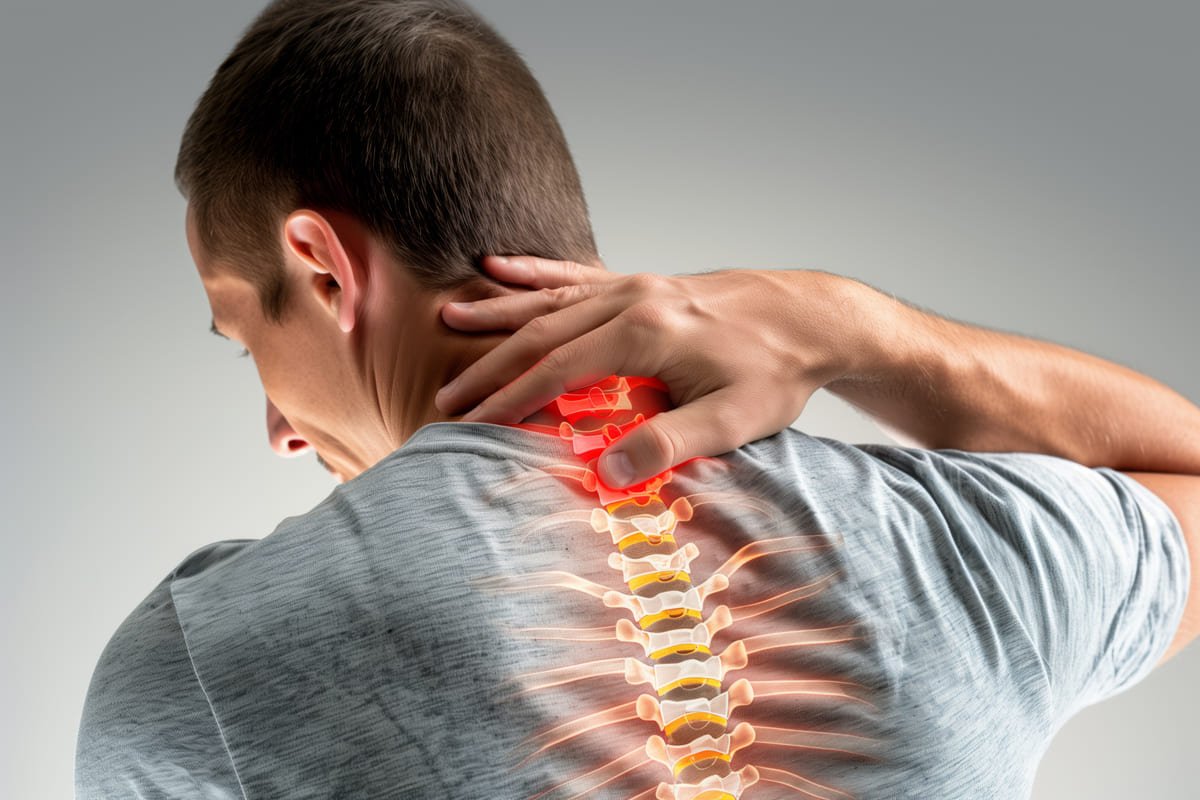
Cervical Spondylosis
Introduction to Cervical Spondylosis
Cervical spondylosis, commonly known as neck arthritis or cervical osteoarthritis, is a degenerative condition that affects the bones, discs, and joints of the neck (cervical spine). It is an extremely common disorder, especially in individuals over 40, but can also affect younger people due to lifestyle factors such as poor posture, excessive screen time, or previous neck injuries.
The cervical spine supports the head and allows movement in multiple directions. Over time, wear and tear in this region may cause the discs to lose elasticity, bone spurs to develop, and ligaments to stiffen. These changes may irritate or compress nearby nerves, leading not just to neck pain, but also radiating symptoms in the shoulders, arms, and even hands.
Causes of Cervical Spondylosis
-
Age-related degeneration – The most common factor; discs lose water content, causing shrinkage and stiffness.
-
Disc herniation – Bulging discs press on nerves.
-
Bone spurs – Extra bone growth leads to nerve compression.
-
Stiff ligaments – Reduced flexibility causes pain and restricted motion.
-
Repetitive strain – Poor posture, prolonged computer/mobile use.
-
Previous injuries – Trauma or accidents accelerating degeneration.
Symptoms of Cervical Spondylosis
-
Chronic neck pain and stiffness
-
Radiating pain to shoulders, arms, or hands
-
Tingling, numbness, or weakness in upper limbs
-
Headaches originating from the neck (cervicogenic headaches)
-
Reduced range of motion in the neck
-
Muscle spasms
-
In severe cases: difficulty with balance or coordination
Diagnosis at Epione
At Epione, diagnosis begins with:
-
Clinical examination: Checking reflexes, muscle strength, and nerve sensitivity.
-
Imaging: X-rays for bone changes, MRI for discs and nerves, CT scans if required.
-
Neurological assessment: To rule out spinal cord involvement.
This ensures precise detection of the root cause before planning treatment.
Treatment at Epione
Epione focuses on non-surgical and minimally invasive approaches for cervical spondylosis.
-
Medications
-
Anti-inflammatory drugs, pain relievers, and muscle relaxants.
-
Neuropathic medications for nerve-related pain.
-
-
Physiotherapy
-
Neck-strengthening and posture correction exercises.
-
Ergonomic training to prevent further strain.
-
-
Interventional Pain Procedures
-
Cervical Epidural Injections: Reduce inflammation around irritated nerves.
-
Facet Joint Injections: Target arthritic joints for direct relief.
-
Radiofrequency Ablation (RFA): Long-term relief by disabling pain-transmitting nerves.
-
-
Regenerative Therapies
-
Platelet-Rich Plasma (PRP): Encourages natural healing of damaged tissues.
-
Stem Cell Therapy: Supports regeneration of discs and ligaments.
-
-
Lifestyle Guidance
-
Posture correction techniques.
-
Limiting prolonged mobile and laptop use.
-
Stress reduction strategies like yoga and relaxation therapy.
-
Why Choose Epione for Cervical Spondylosis?
-
Specialized in neck pain management with years of expertise.
-
Non-surgical focus – helping patients avoid risky surgeries.
-
Cutting-edge regenerative medicine for natural healing.
-
Customized rehabilitation plans tailored to each patient’s lifestyle.
-
Proven outcomes – Thousands of patients have regained pain-free mobility through Epione’s treatments.
Living Pain-Free with Epione
Cervical spondylosis may be a natural part of aging, but living with pain and stiffness should not be. At Epione, our mission is to provide lasting relief through scientifically proven, minimally invasive treatments. Patients experience not just pain reduction, but also improved neck movement, better sleep, and restored confidence in daily activities.
👉 Don’t let cervical spondylosis limit your life. Book an appointment at Epione today and explore advanced, non-surgical treatments that bring lasting relief.
