Slipped Disc
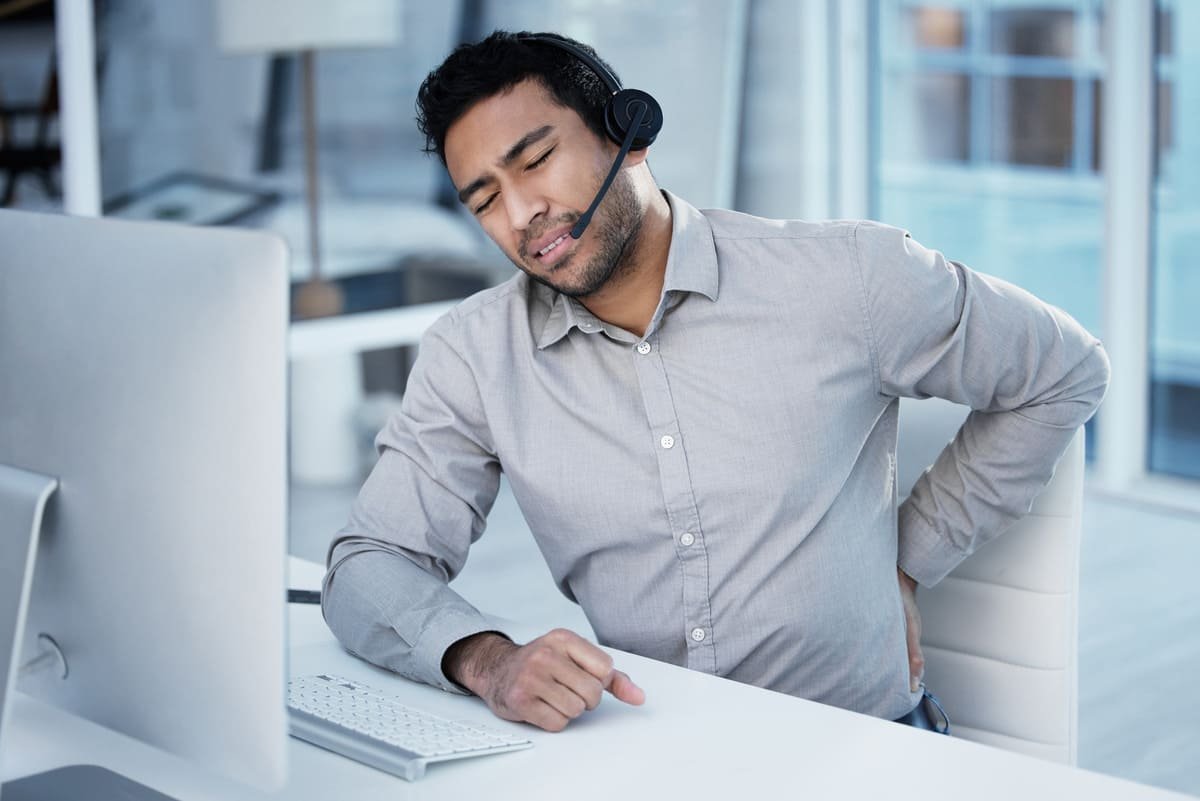
Slipped Disc
A slipped disc, also known as a herniated or prolapsed disc, is a condition where the soft inner core of a spinal disc bulges or slips out of its normal position. This can irritate surrounding nerves, leading to pain, tingling, numbness, or weakness in the back, neck, arms, or legs, depending on the location. It is one of the most common causes of spinal pain and functional limitation.
Causes of Slipped Disc
-
Degenerative Changes:
Age-related wear and tear weakens discs, making them more susceptible to slipping. -
Injury or Trauma:
Accidents, falls, or heavy lifting with improper technique can cause discs to slip. -
Repetitive Stress:
Continuous bending, twisting, or lifting increases spinal pressure and disc vulnerability. -
Genetic Factors:
Some individuals are genetically predisposed to weaker discs and connective tissues. -
Lifestyle Factors:
Poor posture, sedentary habits, and obesity increase spinal stress, contributing to disc problems.
Symptoms
-
Localized or radiating back or neck pain
-
Pain, numbness, or tingling in the arms, hands, legs, or feet
-
Muscle weakness or difficulty performing daily activities
-
Limited mobility and stiffness
-
Pain aggravated by bending, lifting, or sitting for long periods
Diagnosis
At Epione Pain Management Center, diagnosis involves:
-
Detailed medical history and physical examination
-
Neurological evaluation to detect nerve compression
-
Imaging studies such as MRI, CT scan, or X-rays to confirm disc displacement
-
Functional assessment to evaluate mobility, strength, and daily activity limitations
Non-Surgical Treatment Options at Epione
-
Regenerative Therapy:
PRP and stem cell therapy promote disc healing, reduce inflammation, and restore function. -
Targeted Injections:
Epidural steroid injections or nerve blocks relieve nerve pain and inflammation. -
Physiotherapy and Rehabilitation:
Exercises to strengthen core muscles, improve flexibility, and stabilize the spine. -
Pain Modulation Techniques:
Non-invasive methods such as laser therapy, ultrasound, and nerve stimulation help control chronic pain. -
Lifestyle and Ergonomic Guidance:
Posture correction, activity modification, and ergonomic support prevent recurrence and enhance spinal health.
Why Choose Epione Pain Management Center?
Epione offers personalized, non-surgical care for slipped discs. Patients benefit from:
-
Pain relief and improved mobility
-
Reduced nerve irritation and neurological symptoms
-
Avoidance of unnecessary surgery
-
Long-term spinal health and improved quality of life
Conclusion:
Slipped discs can significantly impact daily life if untreated. Epione Pain Management Center provides advanced non-surgical treatments targeting the root cause, restoring mobility, and providing lasting relief. Early intervention, combined with rehabilitation and lifestyle guidance, ensures optimal spinal health and a pain-free life.
